
What Matters Most When Choosing an Early Learning Center in Alexandria
Selecting an early learning center is one of the most meaningful decisions families in Alexandria will make. The right choice shapes a child’s first friendships, nurtures curiosity, and builds the confidence to explore big ideas in small hands. An excellent program feels safe and welcoming from the moment you step inside, with children engaged, teachers attentive, and classrooms alive with conversation and discovery. Look for a place that celebrates each child’s uniqueness, where learning is joyful and purposeful, and where families are warmly included as partners in the journey.
Safety and trust are foundational. High-quality centers follow rigorous health and cleanliness practices, maintain secure entry procedures, and keep class sizes and ratios low so every child receives personal attention. Teachers should bring strong training in child development, along with a calm, caring presence that helps children transition smoothly between activities. Daily outdoor play is essential for fresh air, gross-motor growth, and sensory exploration, and the best programs design their schedules to balance active movement with quiet, restorative moments.
Inside the classroom, a rich environment speaks volumes. Look for well-organized learning areas filled with open-ended materials—blocks, books, art supplies, natural objects—that invite children to test ideas and solve problems through play-based learning. A robust, research-aligned curriculum should adapt to children’s interests, introduce new concepts at the right developmental moment, and include frequent observation so teachers can personalize goals. Centers that value inclusion and honor home languages and cultures cultivate empathy and belonging, while clear communication—daily updates, photos, and periodic conferences—keeps families informed and engaged.
Fit with your family’s rhythm also matters. In a city known for busy schedules, flexible hours, reliable routines, and convenient locations make a real difference. Programs that partner with neighborhood parks, libraries, and local organizations extend learning beyond the classroom and root children in community. Visiting an early learning center in Alexandria allows families to see these qualities in action—children collaborating, educators guiding discovery, and a joyful atmosphere that makes school feel like a second home.
Play-Based Learning That Builds Brains, Hearts, and Habits
Young children learn by doing—touching, talking, testing, and trying again. That’s why play-based learning is more than fun; it is a powerful, research-backed approach to early education that strengthens neural connections, fuels language growth, and builds executive function skills like working memory and self-control. In a responsive classroom, teachers design invitations to explore—puddles to measure after rain, ramps to test speed, a basket of shells to sort—while modeling rich vocabulary and guiding children to ask questions, make predictions, and reflect on what they discover.
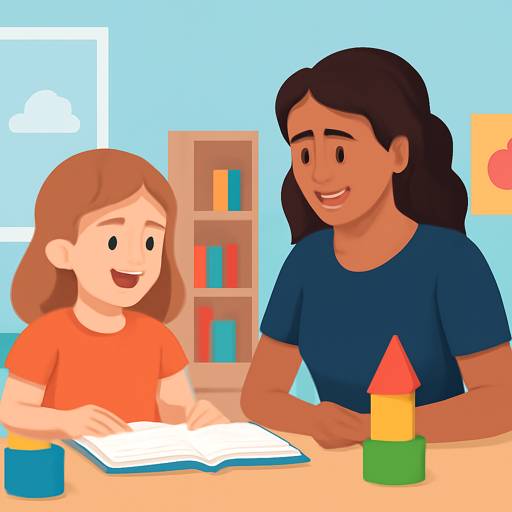
Language and literacy bloom in these environments. In a print-rich room, children encounter labels, storyboards, and their own names at eye level, sparking natural interest in letters and sounds. Teachers weave in storytelling, puppetry, and songs to develop listening, phonological awareness, and expressive language. When a child dictates a story about a block tower and later “reads” it to friends, they are practicing narrative structure, sequencing, and confidence speaking in front of a group—key building blocks for future reading and writing success.
Mathematics, science, and engineering come to life through hands-on challenges. Sorting buttons by color, counting snack pieces, or building a bridge strong enough for toy animals all introduce foundational concepts—classification, number sense, measurement, and cause and effect. With water tables, magnifying glasses, and light panels, children test ideas, gather data, and revise their plans. Teachers act as co-researchers, prompting with open-ended questions—“What do you notice?” “How could we make it stronger?”—and encouraging persistence. These habits of mind lay a strong path toward school readiness without sacrificing wonder.
Social-emotional growth is equally central. When children practice taking turns at the easel, empathize with a friend’s feelings, or collaborate during dramatic play, they’re learning how to navigate relationships and manage emotions. Imagine a child named Maya determined to connect two block towers with a tricky ramp. Her teacher observes, offers a few possibilities, and steps back to let Maya test, revise, and proudly share her solution. That moment—supported struggle followed by triumph—captures the essence of a play-based curriculum: a compassionate, child-centered approach that builds independence, resilience, and a lifelong love of learning.
Practicalities for Alexandria Families: Schedules, Enrollment, and Community Connections
Finding the right program is easier with a clear plan. Start by touring centers when children are present so you can observe authentic interactions: Are students deeply engaged? Do teachers kneel to children’s level, speak respectfully, and celebrate curiosity? Ask about daily schedules that balance active exploration with rest, and look for transparency in policies—safety procedures, illness guidelines, and family communication. Flexible hours, reliable closures, and thoughtful transitions matter for working caregivers, while nutritious meals and allergy-aware practices demonstrate a commitment to whole-child wellness.
Prepare a few conversation starters. Ask about teacher credentials and professional development opportunities, staff longevity and retention, and how the center supports milestones like potty training. Inquire about behavior guidance strategies that emphasize connection, clear expectations, and restorative problem-solving. Explore how the program differentiates for diverse learners and home languages, and how updates are shared—daily notes, photos, or quick check-ins at pickup. Family participation—from classroom visits to cultural celebrations—strengthens community and ensures parents have real visibility into their child’s day.
Look for a true partnership around growth and readiness. High-quality centers schedule regular family conferences, share observation-based portfolios, and use simple developmental screenings to celebrate strengths and spot emerging needs early. If your child is preparing for kindergarten, ask how the program fosters independence, sustained attention, early literacy and numeracy, and social skills like cooperation. Alignment with local school expectations helps children move confidently into the next stage, while preserving the joy and imagination that define early learning.
Picture a typical day for an Alexandria family: a warm drop-off with a quick hello to the lead teacher; a morning filled with block engineering, sensory art, and an outdoor scavenger hunt; a cozy lunch and nap; and an afternoon of storytelling and music before pickup. Teachers share a brief recap—what sparked your child’s interest, a new friend they made, a skill they’re practicing—so home and school stay in sync. Over time, families form friendships of their own at community events and seasonal celebrations. With a vibrant, supportive atmosphere and a commitment to joyful discovery, the right program becomes more than childcare—it becomes a trusted partner in your child’s growth in Alexandria.

Gothenburg marine engineer sailing the South Pacific on a hydrogen yacht. Jonas blogs on wave-energy converters, Polynesian navigation, and minimalist coding workflows. He brews seaweed stout for crew morale and maps coral health with DIY drones.