
When finances are organized, everything else becomes easier. Cash flow stabilizes, taxes stop feeling like an emergency, and decisions get driven by data instead of gut checks. That’s the promise behind searching for bookkeeping near me: not just someone to enter numbers, but a local partner who understands your industry, your goals, and your deadlines. From monthly reconciliations to year-end tax readiness, professional bookkeeping creates the foundation that protects profits, reduces stress, and helps owners focus on growth instead of spreadsheets.
What “Bookkeeping Near Me” Really Means for Your Business
The phrase “bookkeeping near me” isn’t just about proximity. It’s about access, accountability, and alignment with how a business actually runs. A local bookkeeper is close enough to understand regional tax rules, local sales cycles, and the realities of your market—whether that means seasonal slowdowns, city-specific regulations, or niche billing practices common in your area. That local context shows up in better categorization, more accurate forecasting, and cleaner handoffs to tax preparation—because the books reflect the truth of your day-to-day operations.
Beyond convenience, local partners typically offer flexible workflows that match how you work. Some businesses prefer secure portal uploads and cloud-based QuickBooks or Xero access; others want in-person touchpoints, pickup/drop-off for paper receipts, or periodic on-site reviews. The right fit adapts to the cadence of your invoicing, payroll, and vendor payments, then builds a system that supports a consistent monthly close. That’s where the real value happens: bank and credit card reconciliations, categorized transactions, sales tax tracking, updated A/R and A/P, and financials that are accurate to the penny. For many owners, this is the difference between guesswork and clarity.
Choosing a nearby team can also make collaboration faster. Need a mid-month snapshot of cash flow before placing a big inventory order? Want to review your profit margins by service line before hiring? A responsive local bookkeeper can provide timely profit and loss, balance sheet, and cash flow statements—and translate those numbers into plain English. That translation step is underrated. It means getting guidance on what your numbers are saying right now—and what they could say in three months with a few operational tweaks.
It’s normal to compare options during a search for bookkeeping near me. Consider experience with your industry, support for catch-up or cleanup work, software expertise, and how they handle year-end deliverables like 1099s and tax-ready financials. Strong providers are proactive about closing the books monthly, reconciling all accounts, and flagging anomalies before they become problems. With that foundation set, tax filing becomes smoother, and strategic planning stops being a yearly fire drill.
How Local Bookkeepers Keep You Tax-Ready and Audit-Confident
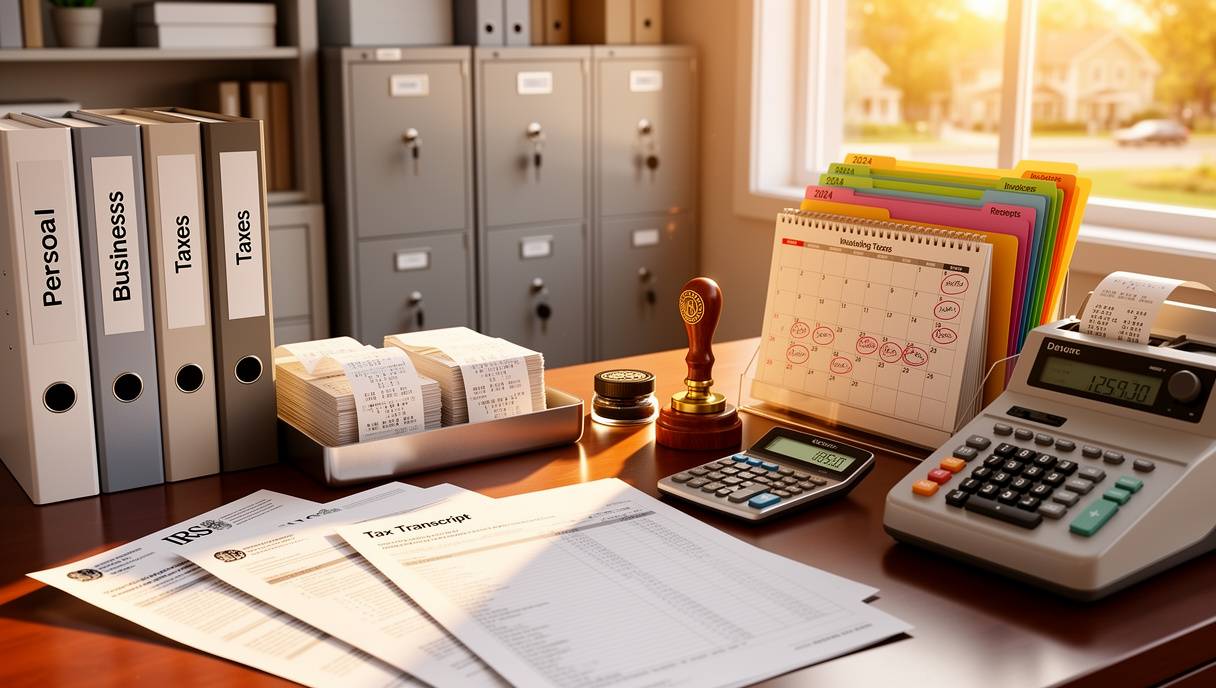
Accurate books protect your bottom line—especially at tax time. Clean categorization ensures every legitimate expense is captured, revenue is recorded properly, and retained earnings tie to prior-year returns. When the books are built with taxes in mind, your CPA doesn’t have to spend hours fixing entries or chasing missing documents. That’s money saved and time reclaimed. A high-quality local bookkeeper focuses on tax-ready books as a deliverable, not an afterthought, so the transition from monthly accounting to annual tax filing is seamless.
Consider common pressure points that can trigger IRS scrutiny or penalties: unreported 1099-NEC payments, uncategorized transfers that look like income, inconsistent sales tax filings, or payroll items coded incorrectly. A disciplined monthly process catches these issues early. Vendors get proper W-9s on file, contractor payments are tracked, and 1099s are filed on time. If your state requires sales tax, a local professional knows the filing schedules and exemptions relevant to your market. That consistency is what keeps businesses IRS-compliant and audit-confident year after year.
Local teams also help when things are behind. Catch-up and cleanup bookkeeping can transform a box of receipts and unreconciled statements into accurate financials covering multiple years. With that in place, tax pros can review IRS transcripts, identify unfiled years, and align books with reported income. This is especially valuable for owners who’ve received IRS notices or have year gaps they’re nervous about. A knowledgeable bookkeeper coordinates with tax specialists to match income and expenses, correct prior errors, and prepare a plan for filing, refunds, or resolution if liabilities exist.
Security and communication matter, too. Look for providers who use secure document portals, bank-level encryption for connected feeds, and clear engagement letters that outline deliverables, timelines, and scope. Ask how often you’ll get financials, how they handle adjusting entries, and what happens if anomalies surface. An excellent local bookkeeper will proactively advise on cash vs. accrual decisions, inventory tracking methods, and classification standards that boost tax efficiency without cutting corners. That combination—accuracy, transparency, and tax alignment—is the core of real peace of mind.
Real-World Scenarios: From Catch-Up Cleanups to Growth-Ready Books
Every business has a story behind its numbers. A home services contractor might be profitable but cash-poor because deposits arrive irregularly, vendors get paid immediately, and invoices linger unpaid. With tight, local bookkeeping support, the contractor starts closing books monthly, sending automated invoice reminders, and tracking job costs by category. Within a quarter, the financials show which job types drive the best margins, allowing the owner to bid smarter and phase out low-return services. Accurate job costing and disciplined receivables management can unlock cash without new sales.
Consider a salon with multiple stylists and a mix of retail products. The owner struggles to reconcile point-of-sale reports with bank deposits and inventory counts. A local bookkeeper integrates the POS with accounting software, standardizes categories for retail vs. services, and reconciles merchant fees. With a repeatable month-end checklist, the salon gains true visibility: which stylists outperform, which retail lines move slowly, and whether promotions actually boost net profit after discounts. Decisions about staffing, pricing, and purchasing become grounded in clear metrics, not hunches.
Then there’s the freelancer or small agency juggling contractor payments, project retainers, and quarterly estimates. Missed 1099s or inconsistent revenue recognition can create headaches later. A nearby professional sets up a system for collecting W-9s at onboarding, categorizes contractor costs correctly, and schedules reminders for estimated tax payments. Year-end stress drops, and the owner sees a clear picture of profitability by client and service type. That clarity supports smarter proposals and resource planning—two levers that directly lift earnings.
Cleanup work deserves special mention. When books are months—or years—behind, it can feel overwhelming. The right local partner starts with bank and credit card statements, rebuilds transaction histories, and documents reasonable assumptions. If IRS letters have arrived, coordinated support bridges bookkeeping with tax strategy: pulling transcripts, mapping revenue across statements and 1099s, and preparing accurate returns. Business owners often discover that what seemed like an insurmountable mess is solvable with a methodical plan. Once the cleanup is complete, ongoing maintenance keeps the books current, and quarterly check-ins turn into strategic conversations about pricing, budgets, and growth. That’s the ultimate win of finding trusted bookkeeping help nearby: dependable numbers that make every next decision easier.

Gothenburg marine engineer sailing the South Pacific on a hydrogen yacht. Jonas blogs on wave-energy converters, Polynesian navigation, and minimalist coding workflows. He brews seaweed stout for crew morale and maps coral health with DIY drones.