
Introduction
In the dynamic world of search engine optimization (SEO), understanding your competitors’ backlink profiles can provide invaluable insights. By analyzing where their links originate, you can uncover opportunities to strengthen your own link-building strategy and improve your website’s search rankings. A comprehensive guide to competitor backlink analysis by Vazoola offers detailed strategies for identifying and leveraging these opportunities. Vazoola, a leading SEO marketing firm, specializes in link-building services and provides resources to help businesses enhance their online presence.
Why Competitor Backlink Analysis Matters
Backlinks serve as endorsements from other websites, signaling to search engines that your content is valuable and trustworthy. A robust backlink profile can significantly boost your site’s authority and visibility. By examining your competitors’ backlinks, you can identify high-quality link sources and potential gaps in your own strategy. This process not only reveals where competitors are gaining their advantages but also highlights opportunities for you to acquire similar or superior backlinks.
Identifying Your True SEO Competitors
Before diving into backlink analysis, it’s crucial to identify your real competitors. These aren’t always businesses offering identical products or services, but those ranking for the same keywords as you. Tools like Ahrefs and SEMrush can help identify these competitors by analyzing keyword overlap and search engine results pages (SERPs). Understanding your SEO competitors allows you to focus your analysis on the most relevant players in your industry.
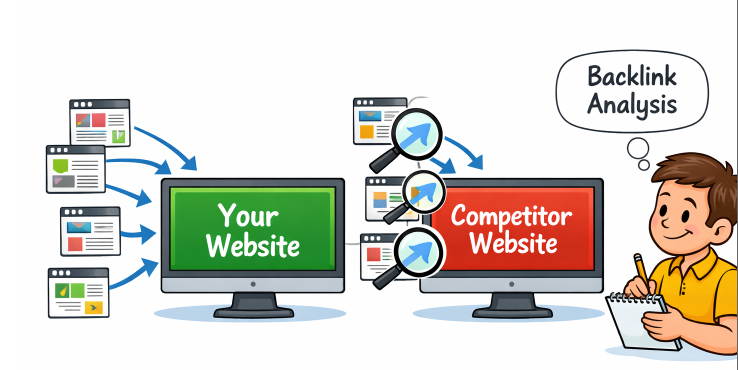
Analyzing Competitor Backlink Profiles
Once you’ve identified your competitors, the next step is to delve into their backlink profiles. This involves examining the quantity and quality of their backlinks, the diversity of linking domains, and the types of content attracting these links. Such analysis can reveal patterns and strategies that contribute to their SEO success. For instance, you might discover that a competitor gains numerous backlinks through guest blogging or by creating comprehensive industry reports.
Tools for Effective Backlink Analysis
Several tools can facilitate comprehensive backlink analysis:
- Ahrefs:Offers detailed insights into backlink profiles, including referring domains, anchor texts, and link growth over time.
- SEMrush:Provides a backlink analytics tool that allows comparison between your site and competitors, highlighting common and unique backlinks.
- Moz Pro:Features a Link Explorer tool that helps uncover link-building opportunities and analyze link metrics.
These tools can streamline competitor analysis, making it more efficient and actionable. By leveraging these platforms, you can gain a comprehensive understanding of your competitors’ backlink strategies and identify opportunities to improve your own approach.
Implementing Insights into Your Strategy
After gathering data, it’s time to translate insights into action. Focus on acquiring backlinks from high-authority domains that link to your competitors but not to you. This might involve reaching out to these domains with superior content or offering collaborations that provide mutual value. Additionally, consider creating content that fills gaps left by your competitors, thereby attracting backlinks from sources seeking comprehensive information.
Expanding Your Link-Building Techniques
In addition to targeting your competitors’ backlink sources, diversify your outreach and link-building methods. Techniques such as broken link building, digital PR, and unlinked brand mentions can supplement your efforts. For example, monitor industry-relevant websites for broken outbound links, then suggest your own high-quality resources as replacements. Or, leverage data-driven studies or original research in your niche to attract editorial backlinks from respected publications and bloggers.
Furthermore, consider engaging with local communities and industry associations, or sponsoring virtual and in-person events, to foster natural link-building relationships. Building thought leadership by contributing expert commentary or quotes to media outlets through platforms such as HARO (Help a Reporter Out) can also yield authoritative backlinks.
Understanding the Qualitative Side of Backlinks
Not all backlinks are created equal. Beyond sheer quantity, consider the topical relevance, authority, and organic placement of each backlink you obtain or pursue. Search engines increasingly reward authenticity, so prioritize acquiring links from contextually relevant sites. Analyze your competitors for patterns: are they frequently featured in prominent resource lists, cited in industry news, or mentioned in round-up posts? Replicating these natural placements helps build a safer, sustainable link profile that withstands algorithm updates.
Monitoring and Adapting Your Approach
SEO is not a one-time effort but an ongoing process. Regularly monitoring your backlink profile and your competitors’ allows you to adapt to changes and seize new opportunities. Setting up alerts for new backlinks or lost links can help maintain a proactive approach. By staying vigilant, you can respond promptly to shifts in the competitive landscape and adjust your strategies accordingly.
Measuring the Impact of Your Backlink Campaigns
It is essential to track the impact of your backlink acquisition efforts on your overall SEO performance. Use analytics tools to monitor organic traffic growth, changes in keyword rankings, and the evolution of your domain authority after implementing new link-building strategies. Set specific, measurable goals for your campaigns, such as increasing the number of referring domains, improving rankings for target keywords, or boosting organic conversions. Assess which backlink types and sources yield the greatest results, then refine your future outreach accordingly.
Conclusion
Competitor backlink analysis is a powerful strategy to enhance your SEO efforts. By understanding where your competitors’ backlinks come from and why, you can develop a more informed and effective link-building strategy. Remember, the goal is not to replicate but to innovate, using insights to carve out your unique path to SEO success. By continuously analyzing and adapting, you can stay ahead in the ever-evolving digital landscape.

Gothenburg marine engineer sailing the South Pacific on a hydrogen yacht. Jonas blogs on wave-energy converters, Polynesian navigation, and minimalist coding workflows. He brews seaweed stout for crew morale and maps coral health with DIY drones.