
A healthier workplace does not come from applying the same cleaning routine to every room. Minnesota offices, schools, clinics, warehouses, and shared facilities need plans that reflect how people move through the building, what they touch, and how local weather affects floors and entrances. A qualified janitorial company in Minnesota can support that work, but the most useful plan begins with a clear understanding of the facility itself. For 2026, the goal is practical: complete the right task, in the right area, at the right time. A thoughtful cleaning plan supports a comfortable environment for employees and visitors while helping facility teams respond to spills, supply needs, seasonal debris, and changing occupancy patterns.
Why Workplace Cleaning Plans Matter
Cleaning supports far more than a polished appearance. Clear floors, stocked restrooms, orderly entryways, and cared-for shared spaces can make a building easier and more comfortable to use. A single blanket schedule often falls short because a busy school hallway, a private office, a warehouse break room, and a medical waiting area have different traffic levels, surfaces, and expectations. Planning by need helps teams direct effort where it has the greatest value.
Start With the Facility’s Needs
Begin with a site review before assigning frequencies. List each room type, note busy and quiet periods, identify high-contact surfaces, and flag areas involving food, moisture, dust, chemicals, or sensitive equipment. Consider the people using the building, including employees, visitors, students, patients, tenants, or customers. For example, a small office may require modest restroom service but frequent attention in meeting rooms, shared kitchens, and reception areas.
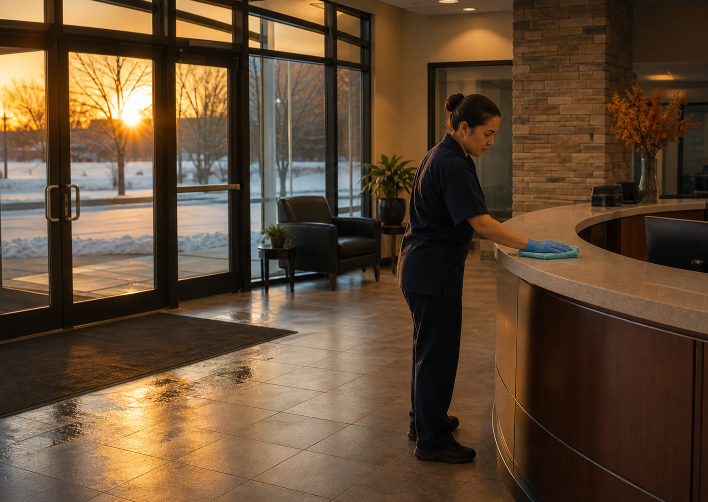
Build a Cleaning Zone Map
Dividing the facility into zones makes responsibilities easier to understand and inspect. A floor plan, checklist, or digital task board should identify the task, frequency, assigned person, required supplies, and expected result for each zone.
- High-touch zones:handles, switches, railings, counters, elevator controls, and shared devices.
- High-traffic zones:entrances, hallways, stairs, lobbies, and reception areas.
- Hygiene zones:restrooms, kitchens, break rooms, and changing areas.
- Special-use zones:clinics, labs, workshops, warehouses, and technical spaces.
- Low-traffic zones:storage rooms, quiet offices, and lightly used meeting rooms.
Set Daily, Weekly, and Seasonal Tasks
Layered schedules keep urgent work from crowding out preventive care. Daily tasks commonly include waste removal, restroom cleaning and restocking, spill response, high-touch surface cleaning, and entrance checks. Weekly work can cover detailed cleaning of glass, interior doors, shared appliances, ledges, vents, and floor stains. Monthly or seasonal tasks may include deeper floor care, supply storage reviews, inspections of hard-to-reach areas, and updates following renovations or layout changes.
Include Indoor Air Quality
Cleaning choices affect more than visible surfaces. Control dust with suitable tools rather than spreading it, follow product labels, avoid mixing chemicals, and provide ventilation when required. Leaks, musty odors, visible mold, and unusual air complaints should be reported promptly for assessment. Minnesota’s indoor smoking restrictions also reflect the importance of maintaining healthier indoor environments in workplaces and public spaces.
Choose Safer Products and Train Staff
Good procedures protect both people and surfaces. Keep safety data sheets accessible, label secondary containers, store chemicals away from food and heat sources, and use the correct dilution and contact time. Staff should receive task-specific training before working independently, including equipment use, lifting practices, slip prevention, personal protective equipment, and respectful work around occupants. OSHA identifies chemical exposure, equipment hazards, and physical working conditions as concerns relevant to the cleaning industry, making consistent training especially important.
Reduce Waste and Water Use
Sustainability does not require lower standards. Measure product use before setting reduction goals, maintain equipment, and use reusable tools where sanitation requirements allow. Concentrated products can reduce packaging needs when properly diluted. Teams can also separate recyclable materials, use water only when necessary, and review waste practices during routine inspections.
Use Inspections and Feedback
A written plan needs regular review. Inspect a small group of rooms each day, record missed tasks, separate urgent concerns from cosmetic issues, and check supply levels and equipment condition. Ask building occupants where service is falling short. Useful measures include response time, repeat complaints, supply shortages, missed areas, slip incidents, and task completion rates. When building use changes, the schedule should change with it.
Prepare for Minnesota Weather
Minnesota winters and spring thaw periods can quickly change cleaning priorities. Place walk-off mats at entrances, inspect them often, and replace them when they no longer manage moisture effectively. Increase entrance checks during snow, rain, and freeze-thaw conditions. Remove salt and grit before they accumulate on hard floors, keep wet-floor signs nearby, and watch storage areas for moisture after heavy precipitation. Seasonal planning can help reduce slip risks and protect flooring.
Common Questions About Workplace Cleaning Plans
How often should high-touch surfaces be cleaned?
Frequency should reflect traffic, occupancy, and the extent to which a surface is shared. Busy common areas generally need more attention than private workspaces.
Should every room follow the same schedule?
No. Assign work based on room function, traffic, surface type, and the risks associated with that space.
What belongs on a cleaning checklist?
Include the location, task, frequency, supplies, safety notes, responsible person, and sign-off method.
When should a plan be updated?
Review it after renovations, occupancy changes, seasonal shifts, new equipment, repeated concerns, or changes to workplace procedures.
A Cleaner Plan
A healthier cleaning plan does not need to be complicated. It needs clear priorities, sensible timing, trained workers, safer methods, and routine review. When Minnesota facility teams align their cleaning efforts with how each space is actually used, they can support cleaner rooms, safer movement, more efficient use of resources, and a more welcoming experience year-round.
Conclusion
A healthier workplace cleaning plan should be based on the specific needs of each facility rather than applying the same routine to every room. Minnesota workplaces can benefit from clear cleaning zones, appropriate frequencies, trained staff, safe product handling, and regular inspections. High-touch surfaces, restrooms, shared areas, floors, and indoor air quality should receive attention based on their use and level of activity. Seasonal planning is also important, particularly when snow, salt, grit, moisture, and changing entrance conditions affect the building. A qualified janitorial company can provide additional support, but facility teams should first understand their own cleaning requirements and priorities. By reviewing task completion, occupant feedback, supply needs, and changes in building use, businesses can keep their plans practical and adaptable throughout 2026.

Gothenburg marine engineer sailing the South Pacific on a hydrogen yacht. Jonas blogs on wave-energy converters, Polynesian navigation, and minimalist coding workflows. He brews seaweed stout for crew morale and maps coral health with DIY drones.