
Concord drivers deal with bright East Bay sun, warm pavement, freeway debris, tree sap, and the everyday wear that comes with commutes on Highway 4, I-680, and local streets. A well-planned package of tint, film, and ceramic coating for cars in Concord, CA can help protect the parts of a vehicle that face those conditions most often, without paying for services that overlap.
What Each Protection Layer Actually Does
Window tint is applied to glass. It can reduce glare, help manage solar heat, and make daily driving more comfortable when the afternoon sun is low over the Diablo Range. Tint also helps protect interior materials from prolonged sun exposure, while the right shade can preserve useful visibility for nighttime driving.
Paint protection film, often called PPF, is a clear physical barrier installed over painted surfaces. It is most useful on the bumper, hood, fenders, mirrors, rocker panels, and other areas exposed to gravel, insects, sand, and debris thrown up by surrounding traffic.
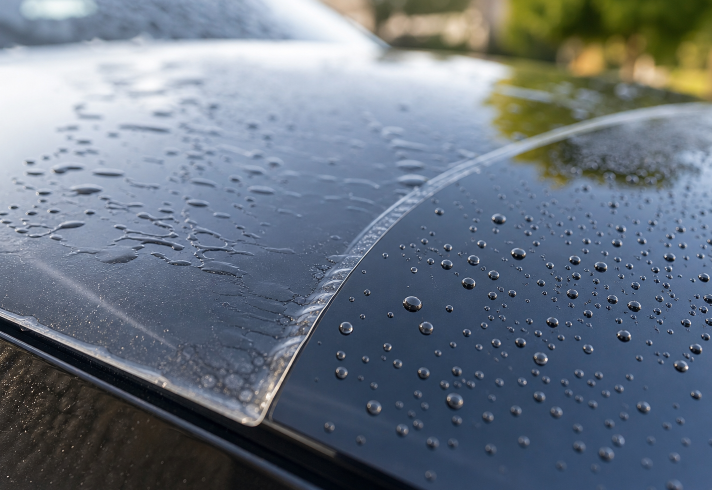
Ceramic coating is a protective surface treatment for paint and, depending on the product and application, other exterior materials. It is not a substitute for film, but it can make a properly prepared vehicle easier to clean and help maintain a crisp, glossy finish between washes.
For drivers searching for automotive ceramic coating near me, the most useful question is not simply which product has the biggest claim. It is which surfaces need protection, what type of wear the vehicle sees, and how much maintenance the owner is willing to perform.
These services work well together because they protect different areas from different problems. Tint will not stop paint chips. Ceramic coating does not make a hood immune to rock strikes. PPF cannot eliminate the need for careful washing. Thinking of them as separate layers helps prevent unrealistic expectations and unnecessary spending.
For example, a Concord commuter who regularly follows trucks through construction zones may get the greatest return from front-end PPF. Someone who parks outdoors near trees may value ceramic coating because it simplifies the removal of dust, pollen, bird droppings, and sap. A driver who spends long summer afternoons in traffic may place window tint at the top of the list.
The Best Installation Order
The ideal sequence can vary by vehicle and installer, but preparation should always happen before protection is installed. A practical order includes:
- Inspect the vehicle.Identify chips, scratches, oxidation, staining, peeling trim, and old repairs.
- Wash and prepare the paint.Remove bonded contamination and correct paint defects when appropriate.
- Install PPF.Apply film to the selected high-impact panels before coating the exterior.
- Apply ceramic coating.Coat eligible painted surfaces and, where appropriate, the installed film.
- Install window tint.Schedule glass work during the same appointment or as a separate step based on the shop’s process.
- Follow the curing instructions.Avoid washing, rolling down tinted windows, or exposing fresh work to unnecessary moisture until curing is complete.
Where PPF Makes the Most Sense in Concord
PPF is especially valuable where road exposure is greatest. A partial front package is often a practical fit for daily drivers, while full-body coverage may make more sense for luxury, collector, or long-term vehicles.
- Front bumper, hood, and front fenders for freeway commuters.
- Side mirrors that take frequent debris impacts.
- Rocker panels behind the front wheels, especially on SUVs and trucks.
- Door edges, door cups, and luggage-loading areas that see frequent contact.
- Rear wheel arches on vehicles driven through gravel, construction, or rural roads.
PPF is a durable wear layer, not a permanent one. It can eventually need replacement, particularly on panels exposed to years of sun, abrasion, and road debris. That still may be preferable to repainting a frequently damaged bumper or hood.
When Ceramic Coating Adds the Most Value
Ceramic coating is best viewed as a maintenance aid. It can help water bead and sheet away, reduce the grip of everyday grime, and make routine washing more efficient. It does not prevent every scratch, stop every chip, or eliminate the need to remove contaminants quickly.
In Concord’s dry, dusty stretches and warmer months, an easy-clean surface can be especially helpful for vehicles parked outside. The result depends heavily on paint preparation. A coating applied over swirls, embedded contamination, or neglected paint will preserve those flaws rather than hide them.
Choosing Window Tint for Comfort and Visibility
Darker is not automatically better. Heat rejection, optical clarity, color stability, and nighttime visibility matter as much as visible darkness. Drivers should consider how often they travel after sunset, use backup cameras, or need clear side-window visibility in parking lots and dense traffic.
California rules also matter. Before choosing front-window film, review California window tint law requirements, including standards intended to preserve the driver’s clear view. A qualified installer can help explain product specifications, but vehicle owners remain responsible for operating a compliant vehicle.
Protection Plans for Different Drivers
City and Errand Driver
Prioritize legal tint for comfort, ceramic coating for easier cleaning, and small PPF sections around door edges, handles, and the rear bumper loading area.
Highway Commuter
Start with front-end PPF, then add tint for glare and heat control. Ceramic coating can support a simpler wash routine after long weeks of freeway driving.
Outdoor Parker
Consider tint to reduce cabin heat, coating to make contamination easier to remove, and targeted PPF on the bumper and hood where road exposure is highest.
Long-Term or Weekend Owner
Invest first in paint correction and the areas most likely to show damage. Broader PPF coverage and coating can be added as the budget and ownership plans justify it.
How to Compare Quotes and Maintain the Results
Ask every installer which exact panels receive PPF, whether paint correction is included, what curing time is required, and what workmanship coverage applies to bubbling, peeling, or discoloration. Two packages with similar names can involve very different coverage and preparation.
After installation, wash with automotive-safe soap and clean microfiber towels, working from the top down. Remove bird droppings, bugs, and sap promptly. Avoid abrasive tunnel brushes, inspect film edges during regular washes, and do not roll down newly tinted windows until the film has cured.
Final Decision Checklist
- Identify the roads, parking conditions, and weather exposure your vehicle sees most.
- Protect high-impact paint areas before adding broad cosmetic coverage.
- Choose tint based on heat control and visibility, not darkness alone.
- Remember that coating supports maintenance, while PPF provides impact protection.
- Get every coverage detail and care instruction in writing.
The best protection plan for a Concord vehicle is not always the largest package. It is the combination that matches local driving conditions, the vehicle’s current condition, and the owner’s priorities. With proper preparation, smart coverage choices, and consistent care, tint, PPF, and ceramic coating can work together to keep a vehicle more comfortable, cleaner, and better protected for years.

Gothenburg marine engineer sailing the South Pacific on a hydrogen yacht. Jonas blogs on wave-energy converters, Polynesian navigation, and minimalist coding workflows. He brews seaweed stout for crew morale and maps coral health with DIY drones.