
In today’s fast-paced business environment, the importance of a robust project management dashboard cannot be overstated. Companies are increasingly turning to these platforms to streamline workflows, centralize information, and foster cross-departmental collaboration. As project requirements become more dynamic, dashboards are evolving, incorporating cutting-edge features that empower teams to deliver successful outcomes efficiently.
Digital transformation, remote workforces, and the proliferation of SaaS tools have all influenced how organizations approach project management. With constant advancements, the latest dashboards now emphasize automation, user experience, real-time analytics, and strong security measures. Understanding these trends is essential for leaders seeking to leverage the full potential of project management technologies in competitive markets.
Artificial Intelligence Integration
The integration of artificial intelligence (AI) is transforming project management dashboards from passive reporting tools to intelligent systems. By automating repetitive tasks like scheduling and risk forecasting, AI frees up project managers to focus on strategic initiatives. Advanced dashboards analyze both historical and current project data, delivering predictive insights such as potential bottlenecks or overruns. This empowers teams to identify challenges before they escalate.
A recent survey from Capterra highlights that more than half of project management software buyers prioritize AI features, demonstrating a growing demand for smarter solutions. Enhanced AI capabilities are quickly becoming a differentiator in the selection of new project management tools. Project managers gain not only predictive analytics but also recommendations for resource allocation, ensuring project objectives are consistently met.
Enhanced Integration Capabilities
Integration is now a baseline expectation, as teams depend on diverse software ecosystems to perform daily work. Modern project management dashboards are built to seamlessly connect with a wide array of external tools, ranging from communication apps to accounting platforms. This centralization eliminates the inefficiencies caused by manual data transfers and discrepancies between systems. It allows for real-time data synchronization, which is crucial for large organizations handling complex projects.
With better integrations, teams can consolidate all their project updates, documentation, and communications in one place. For example, integrating with email and messaging apps allows important notifications and updates to reach team members instantly. Connecting with financial systems streamlines budget tracking and forecasting, further enhancing visibility into overall project health.
Customization and User Experience
The modern workplace values flexibility and ease of use, reflected in the growing demand for customizable dashboards. Gone are the days of one-size-fits-all displays. Project management dashboards must now adapt to the unique metrics, workflows, and reporting requirements of each team. By offering drag-and-drop capabilities, modular widgets, and personalized views, these platforms empower users to focus on what matters most without excessive clutter.
User experience design is a top priority. Intuitive navigation and accessibility features ensure that team members, regardless of technical ability, can interact with the platform effectively. These improvements reduce onboarding times and encourage widespread adoption throughout the organization.
For a deeper look at trends in dashboard design and usability, consider reviewing resources from Forbes Business Council, which discusses the growing emphasis on user-centered design across digital products.
Real-Time Data Visualization
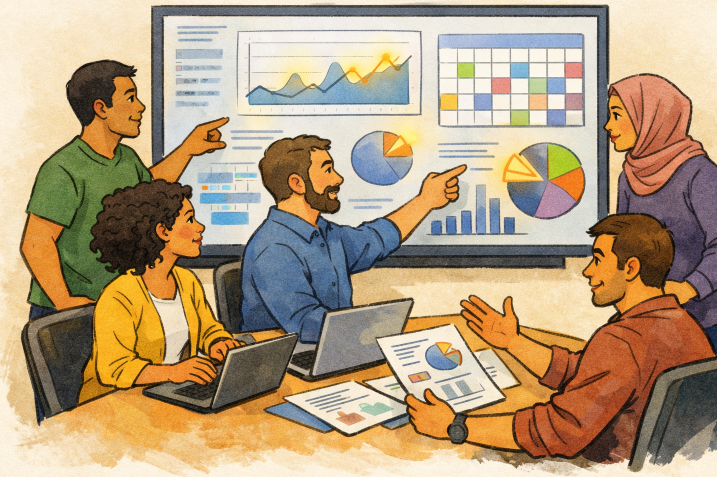
Timely decision-making relies on having access to the latest information. Modern project management dashboards deliver real-time data visualizations, providing instant insights into project status, progress, and risk. Visual representations, such as charts, graphs, and Gantt timelines, convert raw data into actionable intelligence, allowing managers to identify trends, spot issues, and react proactively.
Real-time data visualization also enhances transparency, keeping stakeholders closely informed and fostering a culture of accountability. Whether monitoring resource allocations or tracking milestones, up-to-the-minute visuals are a cornerstone of effective project oversight.
Enhanced Security Features
As sensitive project details increasingly move online, security has become a non-negotiable feature for any project management dashboard. Companies are investing in advanced safeguards, such as end-to-end encryption, multi-factor authentication, and detailed user permissions to protect data integrity and privacy. These measures not only guard against external threats but also help organizations comply with an ever-evolving regulatory landscape.
Strong security protocols are critical for industries managing confidential information such as finance, healthcare, and technology, and can be a deciding factor when choosing a project management solution. Reputable dashboards also conduct regular security audits and provide compliance certifications, giving users peace of mind that their data is protected according to recognized standards.
Conclusion
The rapid evolution of project management dashboards reflects broader shifts in technology and business practices. With the integration of AI, expanded connectivity, enhanced customization, real-time data, and rigorous security measures, today’s dashboards are powerful tools that help organizations navigate complex projects with confidence. Keeping pace with these innovations will ensure teams remain agile, collaborative, and prepared to achieve greater success in any project environment.

Gothenburg marine engineer sailing the South Pacific on a hydrogen yacht. Jonas blogs on wave-energy converters, Polynesian navigation, and minimalist coding workflows. He brews seaweed stout for crew morale and maps coral health with DIY drones.