
When skin looks tired, dull, or creased, it’s usually not just age—it’s dehydration. A targeted Hyaluronic Acid serum for face is one of the simplest, most effective ways to restore bounce, comfort, and glow. Because hyaluronic acid (HA) is already found in your skin, applying it topically gives a fast-absorbing moisture surge that helps soften fine lines and visibly plump. Whether you’re dealing with seasonal dryness, post-acne dehydration, or a fatigued complexion from travel and screens, this gentle-yet-powerful humectant meets your skin where it’s at—every day, all year long.
Think of a hyaluronic acid serum as a water magnet. It pulls moisture into the skin’s surface layers and helps keep it there, so skin looks smoother and feels supple. The right formula layers beautifully with vitamin C in the morning, retinol at night, and SPF by day, creating a streamlined routine that supports long-term skin health without adding fuss. If you want visible results without irritation, HA is your essentials-first, glow-forward step.
What Hyaluronic Acid Does For Facial Skin—and Why It Works
Hyaluronic acid is a naturally occurring glycosaminoglycan—a technical way of saying it’s a structural molecule that holds water inside the skin. As a humectant, HA can bind up to 1,000 times its weight in water. When it’s delivered via a well-formulated Hyaluronic Acid serum, it draws moisture into the epidermis, helping to visibly plump fine lines, soften rough texture, and improve the look of elasticity. Skin that’s comfortably hydrated also behaves better: makeup sits more smoothly, redness often appears less intense, and the complexion reflects light more evenly.
Not all HA is identical. You’ll often see “sodium hyaluronate” listed in ingredient decks; it’s a salt form of HA with a smaller molecular size that penetrates more readily. Multi-weight complexes combine larger HA molecules (which hydrate at the surface) with smaller ones (which reach deeper layers of the stratum corneum), delivering both instant dew and longer-lasting comfort. This layered approach helps reduce transepidermal water loss (TEWL), supporting a stronger moisture barrier that’s more resilient to environmental stressors like wind, central heating, and air travel.
Another reason HA works so reliably is its skin-compatibility. Because it’s a molecule your body recognizes, it’s generally well-tolerated—even by sensitive or redness-prone skin types. It’s also versatile: oily skin that feels dehydrated can benefit from HA’s water-based hydration without heaviness, while dry or mature skin can use it as a thirst-quencher before richer creams. With consistent use, HA helps the complexion look smoother and less creased, not by masking lines, but by hydrating the microenvironments around them so skin looks naturally fuller.
Beyond aesthetic benefits, well-hydrated skin is simply healthier skin. A balanced moisture barrier is your first line of defense from pollution and irritants. When that barrier is supported, skin can better maintain its pH, regulate oil production, and calm visible reactivity. By making a Hyaluronic Acid serum for face a daily habit, you build a foundation that makes the rest of your routine more effective—and your skin more comfortable.
How to Choose and Use a Hyaluronic Acid Serum For Face
Choosing a high-quality HA serum is about more than a single ingredient name. Look for formulas that are both minimal and purposeful: multi-weight HA for layered hydration; complementary humectants like glycerin; and soothing allies such as aloe vera or panthenol (vitamin B5) that help calm while hydrating. Avoid unnecessary irritants—parabens, synthetic dyes, and heavy fragrance—which can undermine barrier health. Clean, cruelty-free formulations made in the USA can offer added peace of mind for those who prioritize ingredient integrity and responsible sourcing.
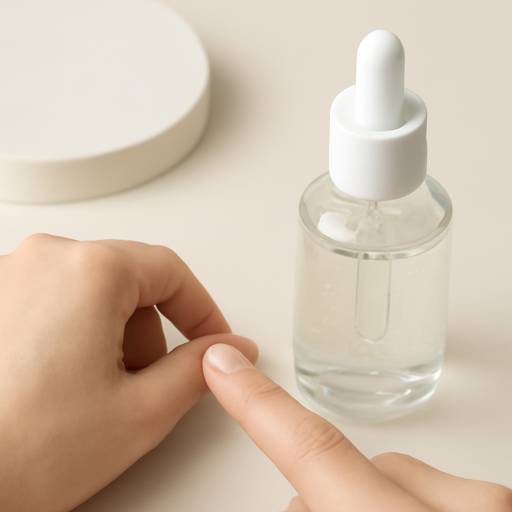
Packaging matters, too. An airtight, opaque container helps preserve formula potency and protects delicate actives from light and oxygen. A lightweight, water-based texture typically layers best with the rest of your routine. If you see “sodium hyaluronate” high on the ingredient list, that’s a sign of a potent concentration designed to deliver noticeable hydration with just a few drops. When you’re ready to try a Hyaluronic Acid Serum For Face, start with a trusted, minimalist option and pay attention to how your skin feels after the first week: supple, bouncy skin is a strong green light.
Application technique can make or break results. Use 2–4 drops on damp skin—fresh from cleansing or after a hydrating mist—so the serum has water to bind. Press it in (don’t rub aggressively), then “seal” with your moisturizer. In dry climates or during winter, consider the “moisture sandwich”: mist, HA serum, light moisturizer, then a richer cream if needed. By day, finish with broad-spectrum SPF 30+; UV protection is essential, because dehydrated skin is more prone to visible damage.
Pairing HA with actives enhances outcomes. In the morning, layer it under vitamin C to help bolster radiance and protect against environmental stress. At night, apply it before a gentle retinol or bakuchiol to offset potential dryness, then follow with a ceramide or squalane-rich cream. For oily or acne-prone skin, HA keeps hydration levels steady so you can tolerate clarifying ingredients like salicylic acid without over-stripping. A few don’ts: don’t apply HA to completely dry skin in very low humidity without following with a moisturizer; don’t over-exfoliate on the same night as retinoids; and don’t skip sunscreen, ever.
Real-World Results: Routines for Different Skin Types and Lifestyles
Because it’s both gentle and effective, Hyaluronic Acid serum for face adapts to your routine rather than forcing you to overhaul it. Dehydrated-oily skin, for instance, often feels tight after washing but shines by midday. A lightweight HA layer in the morning delivers water-based hydration without adding oil, reducing that midday overproduction. Apply on damp skin, seal with a gel moisturizer, and use mineral or hybrid SPF; this combination helps balance weightless moisture with breathable protection.
For mature or very dry complexions, think in layers. After cleansing, pat on a hydrating toner, apply a multi-weight HA serum, then follow with a peptide- or ceramide-rich cream. At night, pair HA with a low- to mid-strength retinol two to three times per week, adding an occlusive balm to especially parched areas. Over two to four weeks, many notice that lipstick doesn’t feather as easily around the mouth, under-eye makeup creases less, and skin reflects light with a soft, healthy sheen.
Sensitive or redness-prone skin benefits from HA’s calming comfort. Keep the routine simple: fragrance-free cleanser, HA serum, barrier cream, and mineral sunscreen. Introduce new actives slowly and patch test. If you live in a high-altitude or desert climate, consider carrying a facial mist to rehydrate during the day; a quick spritz can “reactivate” HA’s moisture-binding effect when sealed with your existing hydrators in the evening. Frequent flyers can also lean on HA: cleanse, apply HA serum, layer a nourishing moisturizer, and use a hydrating mask mid-flight to counter recycled cabin air.
Post-clarifying or post-facial scenarios are another sweet spot. After professional exfoliation (once your provider clears you to resume actives), HA helps replenish moisture without clogging pores or causing stinging. Men who prefer low-fuss routines can use HA immediately after shaving to calm tightness, then top with SPF; the result is smoother texture and fewer dry patches around the jawline. For skin that’s breaking out, HA doesn’t feed blemishes; instead, it supports barrier function so spot treatments can work effectively, reducing the risk of flaking and rebound oiliness.
Ingredient integrity also matters when you’re building habits you’ll keep. Choosing formulas free from parabens, synthetic dyes, and heavy artificial fragrance makes it easier to use HA twice daily without irritation. Cruelty-free practices and responsible sourcing reflect a care-first approach that aligns with the idea of long-term skin health—clean formulas you can feel good about using every day. Consistent, thoughtful use of a Hyaluronic Acid serum doesn’t just make skin look hydrated in the moment; it supports a stronger, more resilient complexion that’s better prepared for tomorrow’s stressors.

Gothenburg marine engineer sailing the South Pacific on a hydrogen yacht. Jonas blogs on wave-energy converters, Polynesian navigation, and minimalist coding workflows. He brews seaweed stout for crew morale and maps coral health with DIY drones.