
Whether you maintain a municipal fleet, operate a construction yard, or run a contractor wash pad, oily runoff is more than a nuisance—it is a compliance and cost risk. An oil-water separator protects your site by removing free and dispersed hydrocarbons from wash water before discharge or reuse. Done right, it helps you meet requirements tied to the Clean Water Act, stay ahead of NPDES obligations, limit sewer surcharges, and protect pumps, nozzles, and equipment from abrasive grit. Done poorly—or not at all—and you invite fines, shutdowns, clogged systems, and accelerated corrosion. The right separator, paired with smart wash rack design and consistent upkeep, turns a messy chore into a safer, predictable, and budget-friendly process.
What an Oil-Water Separator Does—and Why It Matters for Wash Racks
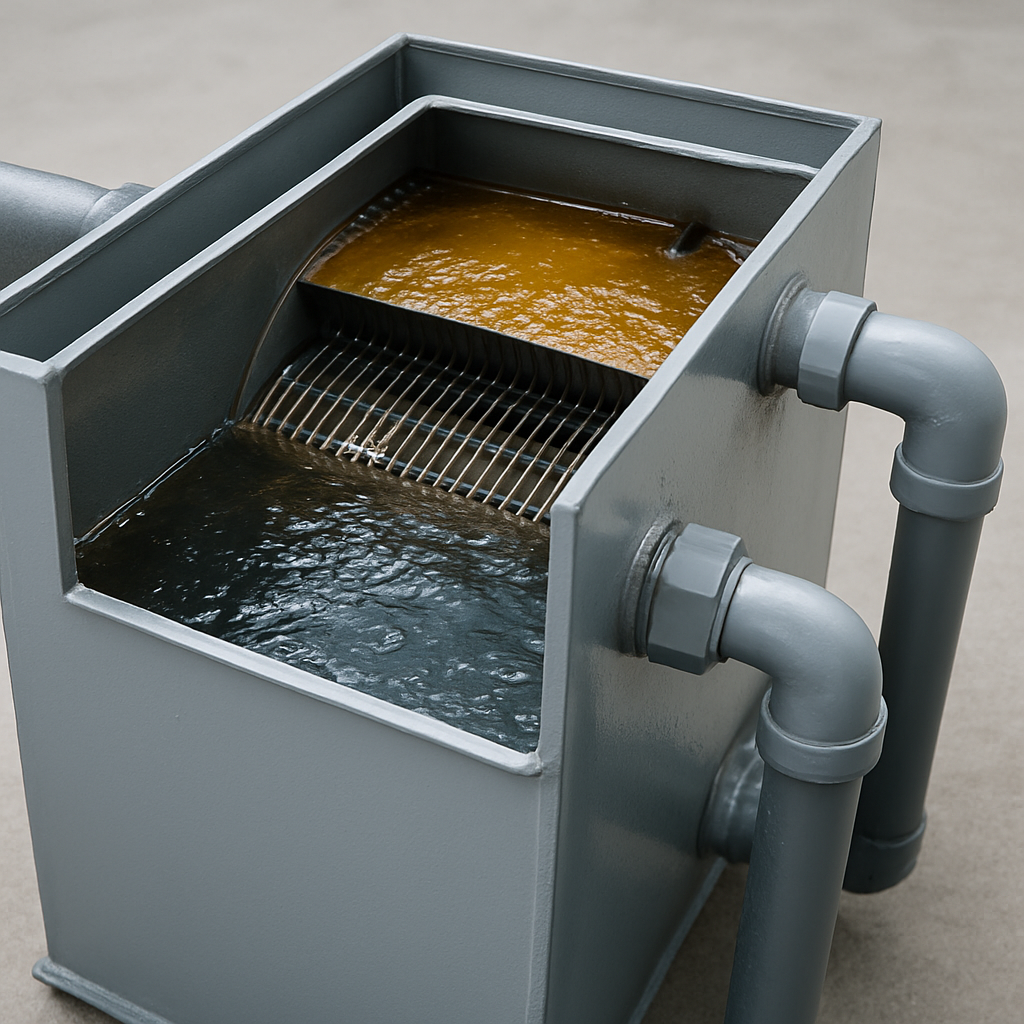
At its core, an oil-water separator leverages gravity and surface area to strip non-emulsified oils from contaminated water. Most units use a quiescent zone and coalescing media—textured plates or packs that encourage droplets to collide and merge. As oil globules grow, they rise faster and are skimmed into a collection chamber, while cleaner water exits under a baffle or weir. This process works best when water flow is even, temperature is moderate, and abrasive solids are captured upstream. That’s why separators perform notably better when paired with trench drains, sumps, and screens that intercept sand, fines, and trash before they enter the tank.
There are practical limits to keep in mind. Free and dispersed oils are readily removed; heavily emulsified oils bound by detergents or heat require pretreatment, time, or chemistry to “break” them. Similarly, high total suspended solids (TSS) loads can blind media, reduce retention time, and push sheens out the effluent. A good system plan stages treatment: first, settle and strain grit; second, stabilize flow in an equalization sump; third, separate oil; and finally, polish as needed with carbon or bag filters. For sites reclaiming water, this sequence protects pumps and reduces odor while stretching every gallon.
Why it matters is simple: compliance and control. Oil sheens on stormwater are a red flag for inspectors and neighbors, and many sanitary sewer authorities enforce strict FOG (fats, oils, and grease) and TSS limits. By routing wash water through a properly sized separator, operators reduce contaminants that trigger surcharges, reduce the risk of violations tied to NPDES permits, and align with the intent of the Clean Water Act. Equally important, clean water moving through your wash loop cuts wear on spray bars, valves, and nozzles, while removing brine and salt from equipment slows corrosion. From garbage trucks to street sweepers and snowplows, that translates into fewer repairs and longer service life.
Capacity and sizing are not guesswork. Start with peak flow in gallons per minute, the nature of your oil (light diesel versus heavy gear lube), solids loading, and the target effluent quality. A typical coalescing separator aims for discharge without visible sheen when fed properly pretreated water. If you’re weighing options, consider a system with removable, cleanable media packs, a robust sludge compartment, and easy access points—features that turn routine maintenance from a dreaded job into a quick task.
Designing a Compliant Wash Area: From Containment to Discharge
The best oil-water separator can’t fix a poor wash pad layout. A compliant wash area starts with containment: a grated or bermed surface that captures spray, tire tracking, and drips without allowing bypass. Sloped floors or pads guide water to a trench drain and sump, where large debris and sediment are trapped. From there, a transfer pump feeds an equalization tank to smooth out flow surges—critical for separators that rely on retention time to do their job. Next in line is the separator, followed by any polishing stage (bag/carbon filters, pH control), and then either discharge to sanitary sewer per local permit, closed-loop reuse, or, when allowed and treated adequately, discharge to an approved point consistent with your stormwater plan.
Real-world scenarios illustrate the details. A municipality washing salt-laden snow equipment needs aggressive grit capture and corrosion control. That means a grated pad that’s easy to shovel, heat-traced or covered drains for freeze protection, and a separator insulated or located in a temperate utility room. A contractor yard cleaning excavators must handle clay fines that can quickly blind media; a large-volume settling pit and periodic sludge removal become essential. Refuse haulers face leachate and food oils; higher skim rates and a robust skimmer weir can make the difference, along with a strict policy on detergents to limit emulsions. Mobile pressure-washing contractors benefit from portable containment berms feeding into a compact separator and filter cart, allowing compliant collection even on customer sites.
Choosing components involves both hydraulics and housekeeping. Large trench drains reduce clogging, yet require removable baskets for trash. Pumps should be sized for steady, not surging, flow. Hoses and quick-connects must stand up to chemicals and hot water. If water is reused, a biocide dosing plan helps control odors, and cyclonic or bag filtration keeps solids out of spray tips. For sites discharging to sewer, expect to coordinate with your local pretreatment authority on sampling ports, access, and allowable limits. It’s also wise to map emergency shutoff valves and spill kits near the wash rack. Finally, plan for growth: a slightly oversized oil-water separator and a modular pad layout make it cheaper to handle bigger fleets, new equipment, or seasonal spikes without re-building from scratch.
Maintenance, Troubleshooting, and Real-World Results
Separators are reliable when they’re maintained—and unforgiving when they’re ignored. Daily, scan the pad for bypasses and look into the effluent chamber for any sheen. Empty drain baskets and wipe down grates. Weekly, measure sludge depth in the settling area and note oil layer thickness in the skim chamber; log readings so you can anticipate pump-outs instead of reacting to spills. Monthly, pull a sample upstream and downstream of the separator to check the impact of detergent changes or process shifts. Quarterly, remove and wash coalescing media with low-pressure water. If the media is brittle, warped, or heavily fouled, replace it before it sabotages performance.
Troubleshooting often starts with two culprits: solids and emulsions. If you see oil carryover, slow the flow by using the equalization tank and confirm that sump baffles are intact. Excessively hot water and aggressive surfactants can “lock” oil into an emulsion the separator can’t handle. Adjust wash practices—lower temperatures when possible, use separator-friendly detergents, and avoid unnecessary degreasers. If production demands emulsifying cleaners, consider an additional step such as an emulsion breaker, dissolved air flotation (DAF), or extended settling in a side tank. For grit issues, add a sand interceptor or a larger first-stage pit and schedule more frequent clean-outs, especially after heavy construction or winter deicing cycles.
Case experience underscores the payback. A regional trucking terminal integrated a coalescing separator downstream of a new grated pad and equalization sump. By switching to a low-foam, separator-compatible soap and instituting weekly sludge checks, the site eliminated visible sheens and cut sewer surcharges by over 50% within a quarter. A street sweeper service added a larger solids pit and relocated its separator to a heated enclosure; nozzle replacements dropped, winter freeze-ups vanished, and operators shaved 20 minutes off end-of-shift cleanups. A concrete contractor dealing with silty wash water introduced a bag filter stage after the separator to catch fines that made it past the pit—sampling stabilized and pressure washer downtime fell dramatically.
Documentation matters as much as hardware. Maintain a binder or digital log with equipment specs, maintenance checklists, disposal manifests for sludge and oil, and sampling results. When inspectors arrive, you can demonstrate control: how the wash rack captures runoff, how the oil-water separator is sized and maintained, what detergents you use, and where water goes next. Paired with a site map and spill response plan, this proactive stance reduces risk and builds confidence with regulators and insurers alike. In tight operating environments—dense urban yards, coastal jurisdictions, or areas under consent decrees—these details are often the difference between operating smoothly and scrambling under enforcement pressure.
In short, think systems, not silos. Match pad design to your fleet, route water through solids control, size the separator for real peak flows, and uphold a simple maintenance rhythm. The result is cleaner effluent, longer-lasting gear, fewer surprises, and a safer, more compliant operation that supports both your budget and the environment.

Gothenburg marine engineer sailing the South Pacific on a hydrogen yacht. Jonas blogs on wave-energy converters, Polynesian navigation, and minimalist coding workflows. He brews seaweed stout for crew morale and maps coral health with DIY drones.