
What Makes Car Insurance in Miami Unique—From No-Fault Rules to Hurricane Reality
Driving in Miami blends coastal beauty with urban rush, and that mix brings unique insurance considerations. Florida is a no-fault state, which means your own policy’s Personal Injury Protection (PIP) covers medical expenses after a crash, regardless of who caused it. Minimum requirements are modest—$10,000 in PIP and $10,000 in Property Damage Liability (PDL)—but many drivers discover quickly that the minimums don’t match the true costs of medical care, vehicle repairs, or litigation. That’s why robust limits and strategic add-ons are central to building strong car insurance Miami drivers can rely on when traffic is heavy, repairs are pricey, and weather can be severe.
Because bodily injury liability isn’t mandated for every driver in Florida, uninsured and underinsured motorist (UM/UIM) coverage becomes especially valuable. With a high share of drivers on the road who may not carry sufficient coverage, UM/UIM can be the difference between a fully funded recovery and a costly gap after a serious crash. It helps pay for injuries if the at-fault driver lacks adequate insurance. Think of UM/UIM as a key Miami safeguard—your backup plan for other people’s shortfalls.
Comprehensive and collision coverages are also essential in Southeast Florida. Comprehensive pays for non-collision losses like theft, vandalism, fire, or flooding—an important layer when tropical storms and king tides can damage vehicles, even when they’re parked. Collision covers your vehicle’s repairs after a crash, whether you hit another car or a pole in a tight Brickell garage. Florida law also provides a valuable perk for safety glass: many policies with comprehensive include no deductible for windshield repair or replacement, a major help on highways where debris is common. Together, these protections reflect the city’s real risks—dense traffic, coastal weather, and a vibrant nightlife scene that keeps streets busy late.
Local context matters beyond the basics. Where you park, how far you commute, and whether you regularly cross causeways or navigate construction zones can influence both premiums and coverage priorities. A driver who parks street-side in Little Havana may have different needs than a condo resident with secure garage access in Edgewater. Choosing the right deductible, documenting vehicle upgrades like anti-theft systems, and mapping coverage to your lifestyle are all smart moves. For a deeper look at regional considerations and policy options, explore car insurance Miami and how it aligns with your exact routine.
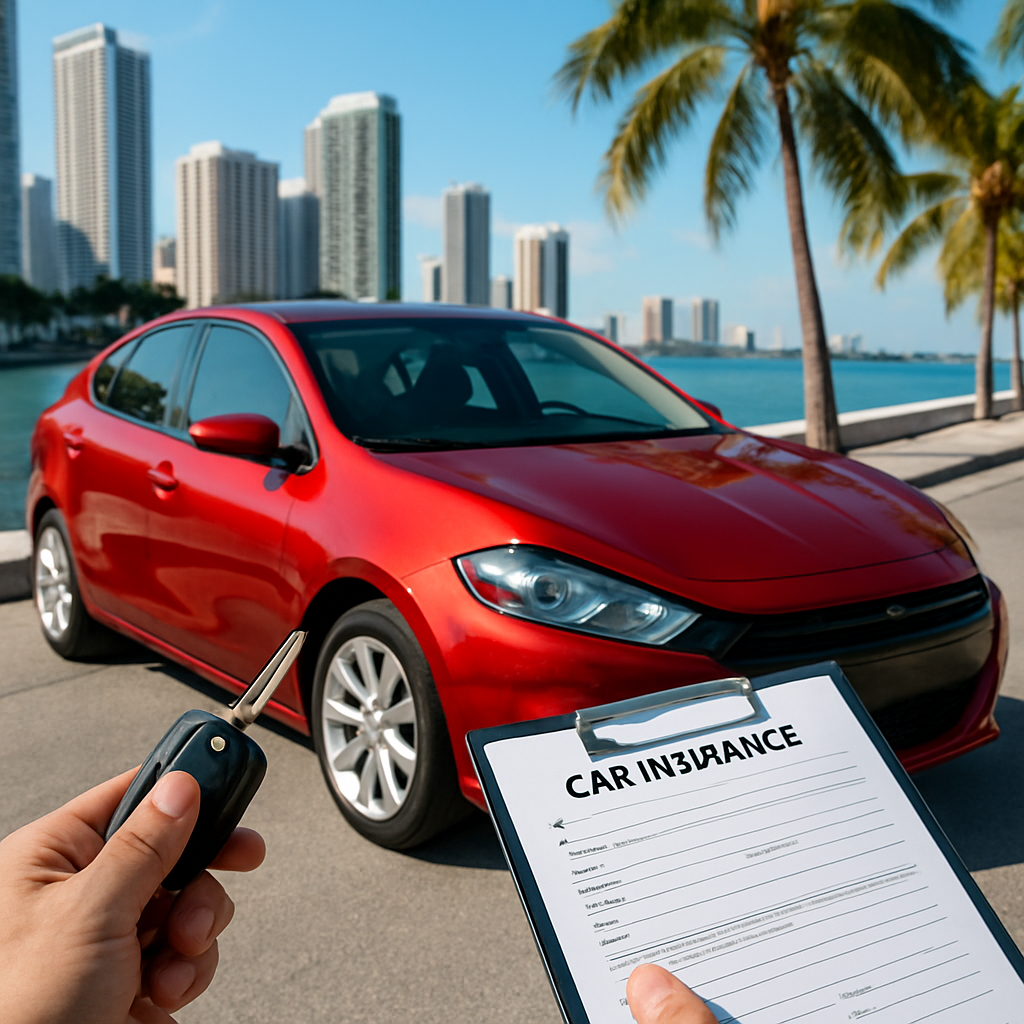
Designing the Right Policy for Your Miami Neighborhood, Commute, and Lifestyle
Policies that fit Miami drivers consider more than just a vehicle’s make and model. Begin with liability limits that reflect real-world exposure. Traffic on I-95, the 836, and US-1 is dense and fast-moving, which can increase the severity of collisions. Many drivers select higher bodily injury limits and a combined single limit for broader protection. If you ride with family or friends often, Medical Payments coverage can help fill gaps left by PIP for additional medical costs. For frequent causeway travel or late-night returns from Wynwood or Downtown, these elevated limits provide meaningful peace of mind.
Lifestyle-specific coverages can be just as important. Rideshare drivers using Uber or Lyft often discover that a standard personal auto policy excludes periods when the app is on. A rideshare endorsement or a dedicated TNC policy closes that gap, keeping you covered between trips and while picking up passengers. If your vehicle is financed or leased—a common reality for many Miami professionals—your lender may require collision, comprehensive, and gap coverage. Gap can pay the difference between your car’s depreciated value and the remaining loan if the vehicle is totaled, a significant safeguard for newer rides with fast depreciation.
Neighborhood risk varies. Drivers in bustling corridors like Brickell, Downtown, and Doral may consider higher uninsured motorist limits due to heavier commute traffic, while families in Kendall or Westchester might prioritize adding a teen driver, tracking their grades for a good student discount, and enrolling in telematics for coaching and savings. Those in Coral Gables or Miami Beach often care about original equipment manufacturer (OEM) parts endorsements and specialized repair networks for luxury or imported vehicles. Classic car owners in Coconut Grove may benefit from agreed value coverage to protect custom builds and restorations, ensuring the payout matches the car’s true worth, not just its book value.
Real scenarios illuminate the difference coverage makes. A Brickell condo owner who parks in a shared garage may elevate comprehensive limits and add a low comprehensive deductible to prepare for theft or storm damage. A Wynwood-based muralist who drives to late events can choose higher UM/UIM and roadside assistance for late-night breakdowns. A Doral commuter who logs heavy daily miles might use telematics to reward safer habits and reduce premiums despite frequent driving. Aligning selections with how, when, and where you drive transforms a standard policy into a precise shield against the city’s very specific risks.
Reducing Premiums Without Sacrificing Protection—Local Tactics That Work in Miami
There are smart, sustainable ways to save that don’t leave you exposed. Bundling home, condo, or renters insurance with auto can yield meaningful multi-policy discounts. For homeowners in flood-prone zones, bundling can also streamline claims coordination when storms affect both property and vehicles. Drivers who rarely commute during peak hours or who work hybrid schedules may benefit from usage-based insurance or telematics programs that reward gentle braking, smooth acceleration, and consistent speed. The key is choosing savings paths that reflect real habits so discounts stick over time.
Deductible strategy matters. Raising collision and comprehensive deductibles can lower premiums, but Miami drivers should balance savings with the likelihood of filing a claim in dense traffic or during storm season. Consider setting aside an emergency fund equal to your chosen deductible, so you can opt for a higher deductible without risking financial strain after a claim. Pair that with anti-theft devices, steering wheel locks, or aftermarket trackers to reduce theft risk around hotspots and event venues, potentially qualifying for additional discounts while helping prevent losses in the first place.
Documenting your vehicle’s condition is a low-cost step with a high payoff. Keep time-stamped photos of your car’s exterior and interior, store maintenance records, and note any accessories or modifications. Before a tropical system approaches, move vehicles to higher ground or a covered garage, photograph the area, and secure loose items that can become projectiles. If flooding threatens, never attempt to start a waterlogged engine—file a claim, photograph the damage, and let professionals assess it. These practices can speed up claims and avoid disputes, saving time and money when repair shops are backlogged after storms.
Discounts are plentiful for those who qualify. Good student reductions help families with teen drivers in Kendall, Westchester, or Hialeah. Paperless billing, autopay, and pay-in-full options may trim recurring costs. Safe driver and claims-free discounts reward good habits over time. If you recently moved to Miami with an established driving history in another state, providing prior coverage details can help you avoid being rated as a brand-new driver. Finally, review your policy after milestones—new job, new address, marriage, or a shift to public transit a few days a week—to make sure coverage and costs reflect current reality. A knowledgeable local advisor can assess your big-picture needs and fine-tune limits, endorsements, and discounts so your plan protects what matters while keeping premiums in check.

Gothenburg marine engineer sailing the South Pacific on a hydrogen yacht. Jonas blogs on wave-energy converters, Polynesian navigation, and minimalist coding workflows. He brews seaweed stout for crew morale and maps coral health with DIY drones.